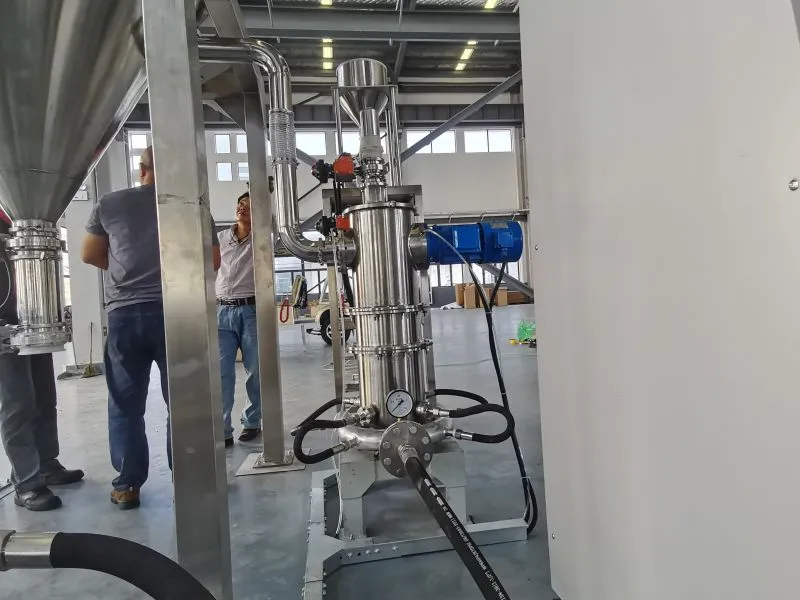
Papel da moagem a jato na produção de cátodos de baterias
A moagem por jato é uma etapa crítica de micronização na fabricação de alto desempenho. óxido de lítio-cobalto (LCO) materiais ativos do cátodo. A distribuição precisa do tamanho das partículas influencia diretamente a densidade de empacotamento do eletrodo, a reologia da pasta e a densidade de energia volumétrica geral da bateria.
- Preservação da pureza: Opera sem meios de moagem, eliminando a contaminação metálica durante a moagem ultrafina.
- Controle Morfológico: Desaglomera os pós de LCO sintetizados, preservando a integridade das partículas para um revestimento uniforme do eletrodo.
- Desempenho eletroquímico: Proporciona uma distribuição granulométrica estreita, melhorando a capacidade de taxa e as taxas de difusão de íons de lítio.
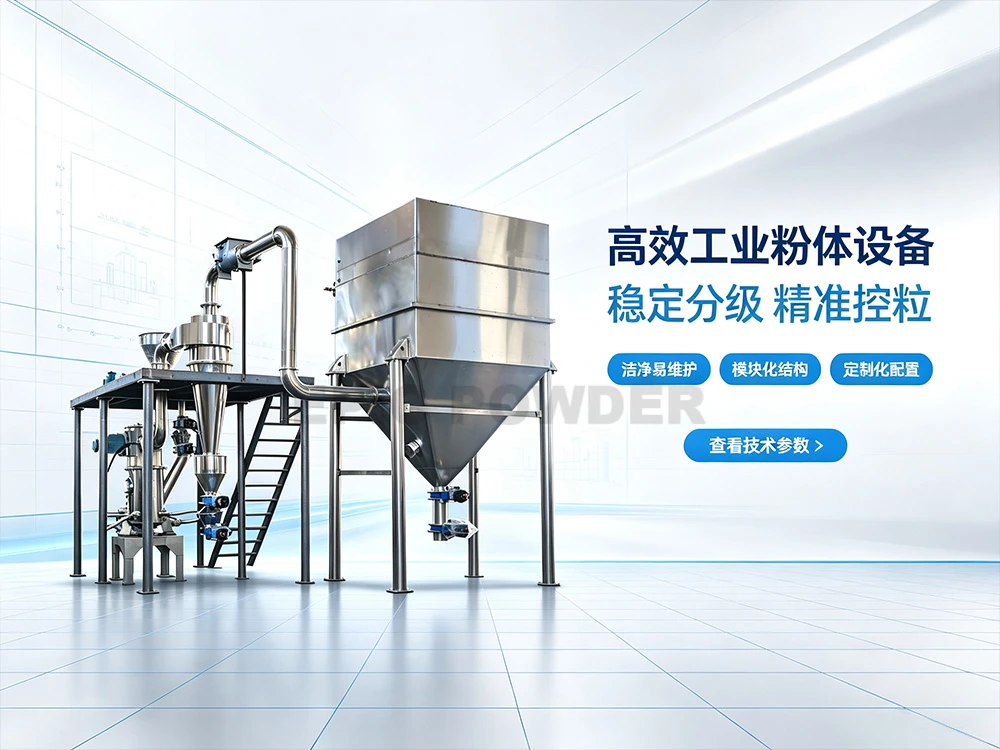
Princípio fundamental de funcionamento dos moinhos a jato
UM moinho de jato de leito fluidizado Utiliza ar comprimido de alta pressão ou gás inerte para acelerar partículas de LCO em colisões de alta velocidade, conseguindo uma redução eficiente do tamanho das partículas por meio de autoatrito.
- Aceleração de alta velocidade: O gás comprimido se expande através de bicos especializados, gerando jatos supersônicos na câmara de moagem.
- Colisão entre partículas: As partículas de LCO colidem exclusivamente entre si no fluxo de fluido, evitando a contaminação induzida pelo equipamento.
- Classificação dinâmica: Uma roda classificadora dinâmica integrada seleciona as partículas que atendem às dimensões desejadas. A fração grossa retorna automaticamente à zona de moagem, enquanto as partículas finas e adequadas passam para o coletor.
Parâmetros do processo de fresagem Core Jet para LCO
Temos vasta experiência na trituração e processamento de materiais para baterias de lítio. O ajuste fino é fundamental. parâmetros do processo de moagem a jato para LCO Garante alto rendimento do alvo, morfologia precisa das partículas e desempenho eletroquímico consistente do material ativo do cátodo.
Pressão do gás de moagem e taxa de fluxo de ar
A pressão do gás de moagem determina diretamente a aceleração das partículas dentro da câmara de moagem. O aumento da pressão do gás aumenta a energia cinética, resultando em uma moagem ultrafina mais precisa.
- Alta pressão (0,7–1,0 MPa): Proporciona maior energia de colisão para micronização precisa e controle rigoroso sobre frações submicrométricas.
- Baixa pressão (<0,6 MPa): Reduz a velocidade de impacto, ideal para preservar a morfologia das partículas sem gerar partículas finas em excesso.
- Volume de fluxo de ar: É necessário equilibrar a pressão do gás para manter uma dinâmica de suspensão estável dentro da câmara de moagem.
Controle da taxa de alimentação de material
Controlar a taxa de alimentação mantém a proporção ideal de sólidos para gás dentro do moinho.
| Condições de alimentação | Impacto no processo de fresagem a jato | Resultado da partícula |
|---|---|---|
| Alimentação excessiva | Amortece a energia cinética do impacto. | Saída mais grossa, ampla distribuição de tamanho de partículas |
| Subalimentação | Aumenta o contato partícula-parede | Moagem excessiva, partículas finas indesejadas |
| Taxa ideal | Maximiza a colisão partícula-partícula | PSD nítido, alta eficiência de processamento |
Velocidade de rotação e separação do classificador
A velocidade do classificador define diretamente o ponto de corte superior (D97/D99) durante o processamento. Velocidades mais altas do classificador geram forças centrífugas mais fortes, rejeitando partículas grossas de volta para a zona de moagem até que os tamanhos desejados sejam atingidos.
Utilizando um sistema avançado processo de moagem e classificação ultrafina a seco Garante o controle preciso do diâmetro médio D50, eliminando grãos de tamanho excessivo na produção de óxido de lítio-cobalto.
Otimização da geometria e posicionamento do bico
A configuração do bocal concentra a energia cinética precisamente no ponto focal do moinho de jato de leito fluidizado.
- Alinhamento do bico: Dispostos simetricamente para forçar colisões entre partículas em vez de desgaste do equipamento.
- Diâmetro do bocal: Calibrado para manter a velocidade supersônica sem induzir contrapressão no sistema.
- Distância do ponto focal: Mantém a energia da colisão localizada para preservar a integridade estrutural do material LCO.
Considerações sobre o controle de qualidade no processamento de LCO
O rigoroso controle de qualidade durante a micronização garante que o óxido de lítio-cobalto (LCO) mantenha alta capacidade específica e estabilidade térmica. Durante a fluidização em alta velocidade, concentramo-nos em três áreas principais para fornecer consistentemente material ativo de cátodo com qualidade para baterias.
Obtenção de uma Distribuição de Tamanho de Partículas (PSD) Precisa
Uma distribuição granulométrica uniforme impede o colapso dos eletrodos e garante alta densidade de energia volumétrica nas células de íon-lítio finalizadas.
- Controle de extensão: Manter uma faixa estreita — relação alvo (D90 – D10) / D50 abaixo de 1,2 — garante uma viscosidade previsível da pasta durante o revestimento do eletrodo.
- Minimização de multas: A eliminação do excesso de micropartículas reduz reações secundárias indesejadas com o eletrólito em altas tensões de operação.
- Corte grosseiro: A limitação rigorosa de partículas de tamanho excessivo evita danos à folha e defeitos no revestimento durante a prensagem em rolo.
A otimização das variáveis operacionais é crucial para os materiais das baterias; a aplicação de métodos comprovados em Como controlar o tamanho das partículas do material ativo do cátodo pulverizado Permite-nos definir metas D50 exatas de forma repetível em todos os lotes de produção.
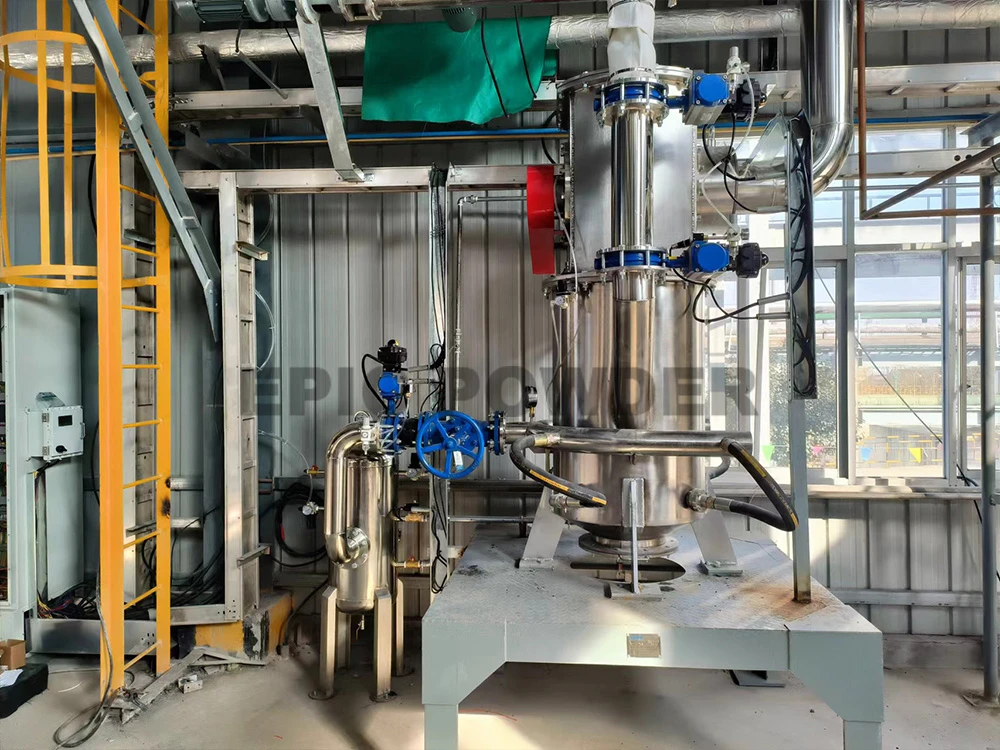
Prevenção da contaminação metálica e do desgaste de equipamentos
Impurezas metálicas livres, como ferro, cromo ou níquel, levam a microcurtos-circuitos localizados e autodescarga severa da bateria. Como as partículas de LCO são abrasivas em altas velocidades cinéticas, as superfícies de contato metálicas padrão se desgastam rapidamente.
- Revestimentos cerâmicos: Equipamos câmaras de moagem, rodas classificadoras e bicos de descarga com revestimentos cerâmicos de nitreto de silício ou alumina de alta pureza.
- Linhas de transferência revestidas: Os tubos de transporte pneumático utilizam revestimentos de poliuretano ou cerâmica de engenharia.
- Filtração magnética: Separadores magnéticos de alta intensidade e múltiplos estágios operam em linha, a jusante, para capturar quaisquer partículas magnéticas residuais antes da embalagem final.
Segurança em atmosferas de gás inerte e umidade
O LCO processado é sensível à exposição ao ar ambiente durante a moagem ultrafina, tornando o gerenciamento ambiental contínuo essencial.
- Sistema de nitrogênio em circuito fechado: A recirculação de gás nitrogênio pressurizado elimina o contato com o oxigênio, prevenindo a oxidação de partículas e os riscos de explosão eletrostática.
- Controle rigoroso da umidade: O gás do sistema é constantemente seco para manter o ponto de orvalho abaixo de -40°C, impedindo a formação de hidróxido de lítio na superfície e a absorção de umidade.
- Selos de purga por pressão positiva: Os selos mecânicos do eixo, purgados com gás, impedem que o ar ambiente e a umidade da fábrica penetrem na carcaça do moinho a jato.
Selecionando equipamentos de moinho de jato para processamento de LCO
A escolha do hardware de processamento correto é vital para garantir zero contaminação metálica, controle preciso da distribuição do tamanho das partículas e estabilidade de produção a longo prazo para o material ativo do cátodo de óxido de lítio-cobalto (LCO).
Revestimentos cerâmicos resistentes ao desgaste e materiais de contato
As partículas de LCO são abrasivas, tornando a contaminação por metais uma ameaça constante durante a retificação ultrafina de alta velocidade. Quaisquer partículas de desgaste de ferro, níquel ou cromo comprometem a segurança da bateria e o desempenho eletroquímico.
- Contatos de cerâmica avançada: Revestimos as câmaras de moagem, as rodas classificadoras e as tubagens de transporte com alumina de alta pureza ($Al_2O_3$), carbeto de silício ($SiC$) ou zircônia ($ZrO_2$).
- Moagem sem contaminação: Implementando um Moinho de jato totalmente cerâmico para materiais de bateria Isola completamente o material do cátodo dos componentes metálicos, garantindo extrema pureza.
- Vida útil prolongada: Os revestimentos cerâmicos reduzem drasticamente o desgaste do equipamento, mantendo a geometria do bocal intacta e preservando a dinâmica de fluxo estável.
Escalabilidade do laboratório à produção industrial
A ampliação do processamento de LCO, desde testes piloto até a produção comercial em larga escala, exige consistência absoluta na morfologia e distribuição de tamanho das partículas. Nós desenvolvemos a dinâmica de fluidos para garantir que os parâmetros do processo de moagem por jato para LCO sejam perfeitamente aplicáveis a equipamentos de diferentes tamanhos.
| Escala | Capacidade de processamento | Objetivo principal |
|---|---|---|
| P&D / Laboratório | 0,5 – 5 kg/h | Teste dos limites de pressão do gás de moagem, velocidade do classificador e taxa de alimentação com perda mínima de amostra. |
| Linha Piloto | 10 – 50 kg/h | Ajustar a estabilidade do processo e verificar o rendimento da coleta de pó. |
| Linha Comercial | 100 – 1.000+ kg/h | Operação contínua 24 horas por dia, 7 dias por semana, com controle automatizado e qualidade consistente do pó. |
Ao utilizar Equipamento especial de moagem a jato para materiais de bateriasOs fabricantes mantêm metas exatas de tamanho de partícula e rendimentos ideais em cada etapa da produção.
Otimizando a eficiência da moagem a jato de LCO
Temos vasta experiência na trituração e processamento de materiais para baterias de lítio, oferecendo linhas de produção otimizadas que maximizam a produtividade sem comprometer a qualidade do produto. Atingir a máxima eficiência no processamento de óxido de lítio-cobalto exige o ajuste da fluidização e das forças de impacto, além da utilização de tecnologias avançadas. tecnologia de processamento de materiais catódicos.
Equilibrando a produtividade com partículas finas alvo
Encontrar o equilíbrio certo entre a velocidade de processamento e a distribuição precisa do tamanho das partículas exige um controle rigoroso das variáveis do sistema. A moagem excessiva gera partículas ultrafinas em excesso, o que prejudica a viscosidade da pasta abrasiva da bateria e a densidade de compactação.
| Ajuste de parâmetros | Impacto primário na produção de LCO | Objetivo operacional |
|---|---|---|
| Aumento da taxa de alimentação | Distribuição de tamanho de partículas mais grosseira, reduz o tempo de residência. | Maximiza a produção horária, evitando a moagem excessiva. |
| Aumento da pressão do gás de moagem | Aumenta a velocidade de impacto e a geração de partículas finas. | Aciona a moagem ultrafina para atingir metas rigorosas de redução de tamanho. |
| Maior velocidade de classificação | Rejeita as frações mais grossas de volta para a zona de moagem. | Ajusta os limites de tamanho máximo para uma morfologia de partículas precisa. |
Solução de problemas de variações comuns nos parâmetros do processo
As flutuações do sistema alteram diretamente a distribuição do tamanho das partículas e a consistência do produto. Ajustes rápidos dos parâmetros mantêm a produção estável.
- Geração de multas excessivas: Reduzir pressão do gás de moagem ou aumentar o taxa de alimentação minimizar o consumo de energia por unidade de massa.
- Arraste de partículas grossas: Aumente o velocidade do classificador Aumentar a força de separação centrífuga, evitando que o material ativo do cátodo, de tamanho excessivo, escape.
- Instabilidade da taxa de alimentação: Recalibre os alimentadores de perda de peso e inspecione as válvulas de entrada para eliminar o refluxo de pressão causado por bloqueio de ar.
- Perda de pressão na câmara de moagem: Inspecione os bicos do moinho de jato quanto a desgaste físico ou obstrução parcial e verifique a estabilidade do fornecimento de ar do compressor.