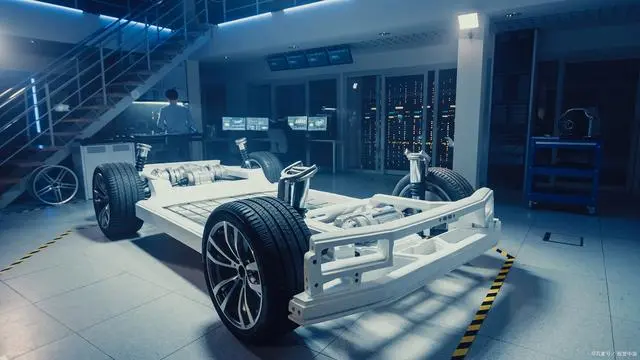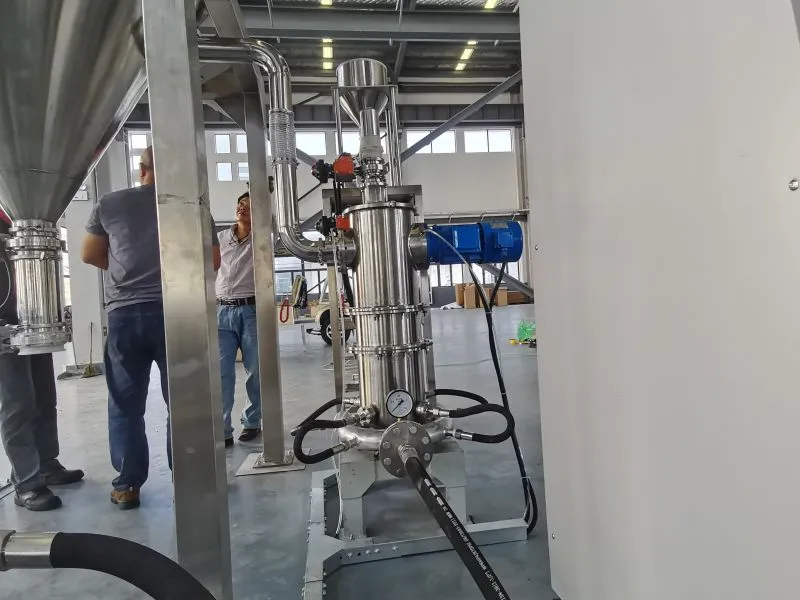
Panoramica della macinazione ultrafine nella produzione di LFP
La macinazione ultrafine riveste un ruolo fondamentale nella moderna lavorazione dei materiali per batterie, influenzando direttamente le prestazioni elettrochimiche, la sicurezza e l'efficienza dei prodotti per l'accumulo di energia agli ioni di litio. Con l'accelerazione della domanda globale di veicoli elettrici (EV) ad alte prestazioni e sistemi di accumulo di energia (ESS), la riduzione di precisione delle dimensioni delle particelle è diventata un parametro di riferimento critico per i principali produttori di catodi.
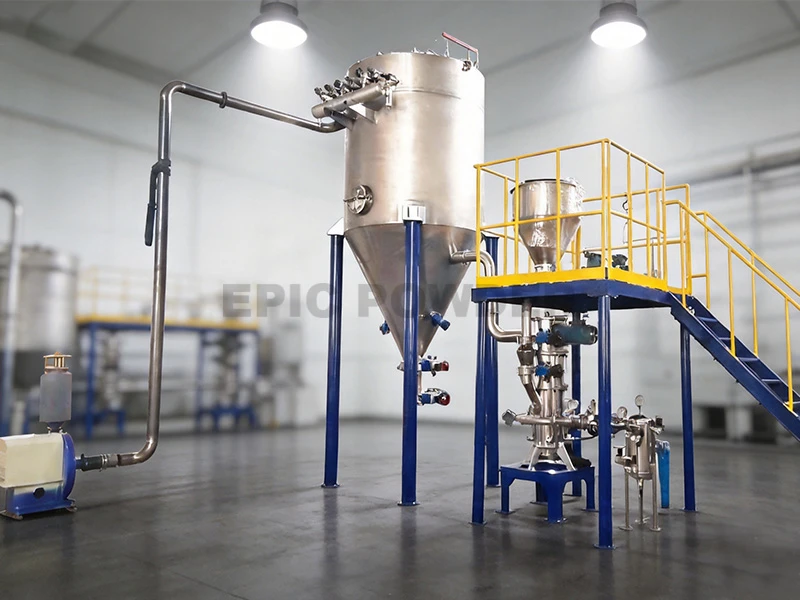
Che cos'è il fosfato di litio e ferro (LFP)?
Il fosfato di ferro e litio (LiFePO4) è un materiale attivo catodico fondamentale, ampiamente utilizzato per il suo profilo di sicurezza superiore e la sua stabilità strutturale.
- Elevata sicurezza termica: Resistenza eccezionale all'instabilità termica rispetto alle sostanze chimiche a base di nichel o cobalto.
- Lunga durata del ciclo di vita: In grado di sopportare migliaia di cicli di carica e scarica con una minima degradazione della capacità.
- Efficacia in termini di costi: Si basa su materie prime abbondanti ed ecocompatibili, eliminando la dipendenza da costosi metalli pesanti.
Importanza del controllo della dimensione delle particelle per le prestazioni della batteria
Trasformazione di LFP grezzo in LFP ad alta purezza polvere ultrafine Grazie alla micronizzazione ingegnerizzata, si migliorano direttamente le prestazioni della batteria:
- Diffusione più rapida degli ioni di litio: Ridurre le dimensioni delle particelle a scale submicroniche accorcia significativamente i percorsi di diffusione degli ioni, migliorando le prestazioni di scarica ad alta velocità e il funzionamento a basse temperature.
- Conduttività ottimizzata: Le particelle fini e uniformi consentono un rivestimento di carbonio completo e omogeneo, compensando la naturale bassa conduttività elettronica dell'LFP.
- Densità di elettrodi superiore: Una distribuzione granulometrica (PSD) ben bilanciata migliora la disperdibilità della sospensione, l'uniformità del rivestimento e la densità energetica volumetrica.
Principali sfide nella macinazione ultrafine LFP
Raggiungere una raffinazione submicronica costante presenta notevoli ostacoli tecnici durante la produzione:
- Limiti di contaminazione rigorosi: Tracce di impurità metalliche (come ferro, cromo o nichel) introdotte dall'usura delle apparecchiature causano micro-cortocircuiti catastrofici nelle celle delle batterie finite.
- Elevata energia superficiale e agglomerazione: Con il restringersi delle particelle, l'energia superficiale aumenta drasticamente, causando la riaggregazione delle particelle fini in assenza di strategie di dispersione ottimali.
- Requisiti PSD ristretti: Una macinazione eccessiva genera particelle ultrafini in eccesso che compromettono la viscosità della sospensione, mentre una macinazione insufficiente lascia particelle grossolane che perforano i separatori delle batterie.
- Generazione di calore: L'attrito durante la rettifica ad alta intensità può indurre cambiamenti di fase o danneggiare gli strati di rivestimento in carbonio esistenti se le temperature di processo non sono rigorosamente controllate.
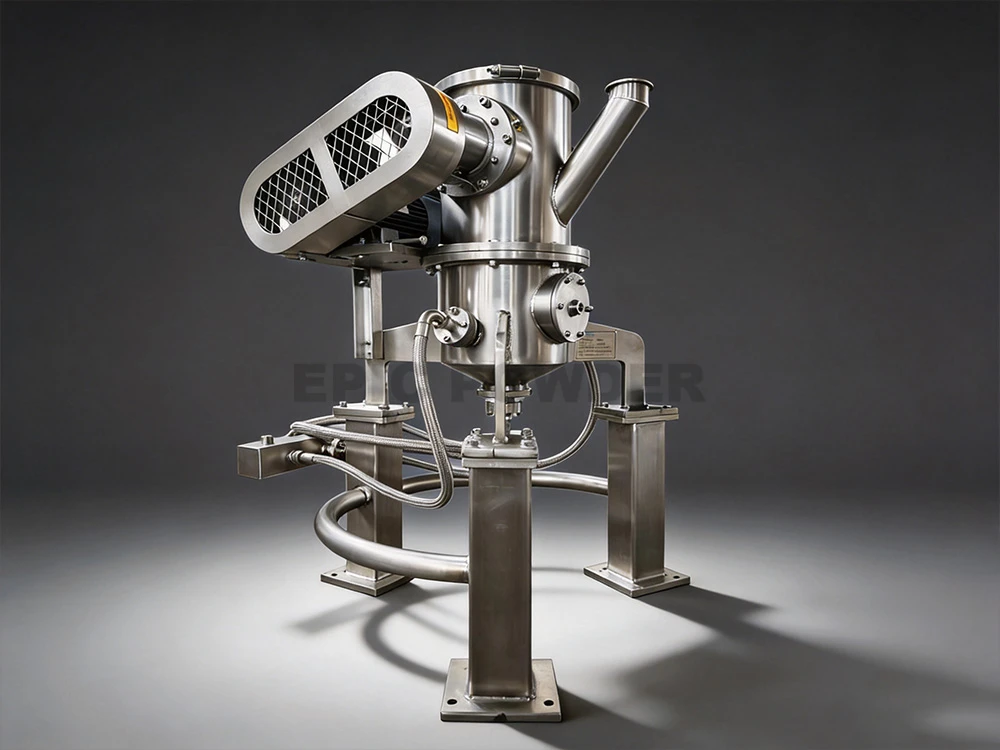
Principali metodi di lavorazione per la macinazione ultrafine LFP
La scelta del giusto percorso di raffinazione delle particelle è fondamentale per ottenere un'elevata densità di compattazione e tassi di scarica ottimali della batteria. Ci affidiamo a due principali approcci industriali, unitamente a sistemi di recupero specializzati, per gestire in modo efficiente la micronizzazione del litio ferro fosfato (LFP).
Metodo di macinazione e omogeneizzazione a umido
La macinazione a umido con sfere di vetro fornisce un'elevatissima densità di energia direttamente nelle sospensioni di precursori LFP in fase liquida. Questo metodo eccelle nel ridurre gli aggregati grezzi in particelle su scala nanometrica prima della calcinazione o dell'essiccazione a spruzzo.
- Omogeneizzazione della sospensioneGarantisce una distribuzione uniforme di ferro, fosfato e fonti di carbonio.
- Capacità sub-micronica: Raggiunge facilmente dimensioni delle particelle sub-microniche (D50 inferiore a 0,5 micron) utilizzando sfere di macinazione in ceramica ad alta densità.
- Efficienza del processo: Mantiene basso l'accumulo di calore durante i cicli continui di lavorazione di polveri ad alto volume.
Processo di fresatura a getto secco
Per la micronizzazione di polveri finite a secco, la macinazione ad aria compressa è lo standard del settore. Si basa sull'energia del fluido per far collidere le particelle tra loro all'interno della camera di macinazione, eliminando l'usura dei mezzi di macinazione e i rischi di contaminazione da ferro. Utilizzando un sistema dedicato linea di produzione di fosfato di litio e ferro e mulino a getto ternario monocristallino Garantisce la produzione di materiale puro senza alterare la struttura cristallina.
- Zero Contact WearI getti d'aria ad alta velocità costringono le particelle di LFP ad auto-impattarsi, preservando la purezza della polvere.
- Controllo della temperaturaIl gas in espansione raffredda naturalmente la camera, proteggendo i rivestimenti in carbonio dai danni causati dal calore.
- PSD ristrettoIdeale per ottenere ristretti intervalli di distribuzione granulometrica senza eccessiva macinazione.
Classificazione ultrafine e recupero di polveri
La macinazione è solo metà della battaglia; l'ingegneria delle polveri precisa richiede un'efficiente separazione e raccolta delle particelle fini. L'implementazione di un processo senza soluzione di continuità processo di macinazione e classificazione ultrafine a secco Combina la classificazione dinamica dell'aria con una separazione gas-solido ad alta efficienza.
| Palcoscenico | Componente chiave | Funzione |
|---|---|---|
| Selezione delle particelle | Ruota classificatrice Jet Mill | Taglio preciso a velocità variabile delle particelle grossolane per evitare una macinazione eccessiva. |
| Recupero primario | Separazione ciclonica | Cattura fino a 98% di polvere ultrafine finita dal flusso d'aria. |
| Collezione | Filtro a sacco per collettore di polvere | Cattura le polveri submicroniche per garantire un'elevata resa del prodotto e basse emissioni. |
Apparecchiature di macinazione primaria per composti chimici LFP
Per ottenere strutture di particelle sub-microniche uniformi è necessario un macchinario progettato specificamente per la lavorazione di materiali per batterie ad elevata purezza. Sfruttiamo l'ingegneria delle polveri avanzata per fornire apparecchiature su misura, progettate per le esigenze fisiche uniche della raffinazione delle particelle LFP.
Mulini a sfere ad alta efficienza (a perni e turbo)
Nelle applicazioni di macinazione a umido, i mulini a sfere a umido ad alta efficienza rappresentano lo standard del settore per ottenere distribuzioni di particelle su scala nanometrica. Questi sistemi trasferiscono energia cinetica concentrata alla sospensione per disgregare le particelle primarie e gli agglomerati compatti.
- Sistemi di agitazione a perno: Concentrano l'energia nelle zone ad alto sforzo di taglio, risultando ideali per sospensioni LFP ad alta viscosità destinate a profili sub-micronici ristretti.
- Dispersori di tipo Turbo: Utilizzate rotori a ricircolo ad alto flusso per gestire in modo efficiente grandi volumi di produzione e controllare la temperatura della sospensione.
- Indossare dispositivi di protezione: Le camere di macinazione e i rotori sono rivestiti con ceramica di zirconia di alta qualità per eliminare la contaminazione da ferro durante il funzionamento continuo.
Mulini a getto a letto fluidizzato
La macinazione a getto in letto fluidizzato è il principale metodo di lavorazione a secco per la raffinazione delle particelle LFP. Gli ugelli del mulino a getto contrapposti dirigono gas ad alta pressione nella camera di macinazione, spingendo le particelle a collidere tra loro anziché contro le pareti dell'apparecchiatura.
Distribuzione mirata attrezzature di fresatura a getto per materiali per batterie Previene la contaminazione da metalli garantendo al contempo una micronizzazione eccezionale. Le ruote classificatrici a getto ad alta velocità integrate convogliano continuamente la polvere ultrafine qualificata nel collettore ciclonico e nel sistema di raccolta delle polveri con filtro a maniche, restituendo il materiale di dimensioni maggiori per una nuova macinazione.
Mulini classificatori ad aria
I mulini classificatori ad aria combinano l'impatto meccanico ad alta velocità con la classificazione interna in un unico ingombro compatto. La regolazione fine dei parametri del sistema consente agli operatori di controllare con precisione la dimensione delle particelle di fosfato di ferro e litio per soddisfare i requisiti specifici della chimica delle celle.
| Tipo di apparecchiatura | Meccanismo di macinazione | Intervallo tipico delle particelle (D50) | Vantaggio principale |
|---|---|---|---|
| Mulino a sfere ad alta efficienza | Attrito e taglio dei mezzi ceramici | 0,2 µm – 1,0 µm | Massima dispersione della sospensione per la lavorazione a umido |
| Mulino a getto a letto fluidizzato | Collisione di particelle di gas ad alta velocità | 1,0 µm – 4,0 µm | Nessun contatto con il metallo, distribuzione delle particelle estremamente ripida |
| Mulino classificatore d'aria | Impatto meccanico e separazione dell'aria interna | 3,0 µm – 10,0 µm | Elevata produttività per la pre-rettifica e i tagli grossolani LFP |
Principali vantaggi delle tecnologie di rettifica LFP avanzate
Progettiamo le nostre soluzioni per la lavorazione delle polveri al fine di risolvere i colli di bottiglia più ostici nella produzione di materiali per batterie. Ottenere una macinazione ultrafine di LFP richiede un controllo rigoroso della fisica delle particelle, della purezza delle apparecchiature e della gestione termica. Ecco come le moderne apparecchiature di macinazione trasformano l'efficienza produttiva e la qualità del prodotto LFP.
Controllo preciso della distribuzione granulometrica (PSD)
I moderni sistemi di micronizzazione offrono una distribuzione granulometrica eccezionalmente ristretta, eliminando sia gli agglomerati di grandi dimensioni che l'eccessiva quantità di polvere fine.
- Raffinamento uniforme delle particelle: I meccanismi integrati di macinazione e classificazione assicurano che ogni particella raggiunga le specifiche D50 e D90 esatte, senza subire una macinazione eccessiva.
- Limiti di taglio più netti: Le ruote classificatrici avanzate impediscono alle particelle di dimensioni eccessive di uscire dalla camera di macinazione, garantendo la stabilità della sospensione durante il rivestimento degli elettrodi.
- Qualità costante del lotto: I sistemi di controllo automatizzati mantengono una riduzione costante delle dimensioni delle particelle, garantendo la ripetibilità da lotto a lotto per la produzione ad alto volume.
Dispersibilità e prestazioni elettrochimiche migliorate
La raffinazione dell'LFP fino alla scala sub-micronica aumenta direttamente le sue proprietà elettrochimiche intrinseche. Una corretta riduzione delle dimensioni delle particelle migliora i tassi di diffusione degli ioni di litio e la densità energetica complessiva, fattori chiave quando si sfrutta il vantaggi delle batterie al litio ferro fosfato in applicazioni commerciali.
| fattore di prestazione | Impatto della macinazione ultrafine |
|---|---|
| Omogeneità della sospensione | Velocità di dispersione più elevate, minore fabbisogno di solvente e distribuzione uniforme dell'agente conduttivo. |
| Capacità tariffaria | Percorsi di diffusione degli ioni di litio più brevi garantiscono prestazioni di ricarica rapida superiori. |
| Densità degli elettrodi | L'impaccamento ottimizzato delle particelle aumenta la densità di compattazione sui collettori di corrente. |
Controllo rigoroso della contaminazione e protezione dall'usura
Le impurità metalliche compromettono la sicurezza e la durata del ciclo di vita delle batterie. I nostri nuovi sistemi di macinazione dei materiali energetici danno priorità alla prevenzione totale della contaminazione grazie a una tecnologia avanzata resistente all'usura.
- Rivestimenti interamente in ceramica: I rivestimenti e le camere di macinazione appositamente progettati per i mulini a getto, realizzati in zirconia, carburo di silicio o poliuretano, eliminano il contatto metallo-metallo.
- Sistemi di separazione inerti: La separazione ciclonica ad alta efficienza, abbinata ai collettori di polveri con filtro a sacco sigillato, previene la contaminazione incrociata massimizzando al contempo il recupero delle polveri.
- Abbigliamento a bassa temperatura: La macinazione controllata, sia pneumatica che a umido, previene la degradazione delle particelle indotta dal calore, preservando l'integrità chimica durante l'intero processo.
Parametri critici per ottimizzare l'efficienza di macinazione LFP
La messa a punto precisa dei parametri chiave del processo è essenziale per ottenere una macinazione ultrafine di LFP con la massima resa e il minimo consumo energetico. Il controllo preciso di queste variabili garantisce una distribuzione granulometrica ristretta (PSD) senza danneggiare la struttura cristallina.
Selezione e dimensionamento dei mezzi di macinazione ceramici
Le microsfere di zirconia stabilizzata con ittrio (YSZ) ad elevata purezza sono indispensabili per prevenire la contaminazione metallica e resistere a elevate forze di taglio. Il diametro delle microsfere influenza direttamente il trasferimento di energia e il limite finale di particelle.
| Fase di elaborazione | Dimensione delle particelle target ($D_{50}$) | Diametro della punta consigliato | Beneficio principale |
|---|---|---|---|
| Pre-macinazione | 1,0 – 3,0 µm | 0,6 – 0,8 mm | Elevato impatto cinetico per una rapida riduzione |
| Macinazione fine | 0,3 – 0,8 µm | 0,2 – 0,4 mm | Bilanciamento tra taglio e frequenza di collisione |
| Raffinatezza ultrafine | < 0,3 µm | 0,05 – 0,1 mm | Punti di contatto massimi per PSD stretto |
Velocità di rotazione e rapporto di carica del mezzo
Bilanciare l'energia cinetica erogata con il volume della camera previene la degradazione termica e l'eccessiva usura del materiale filtrante.
- Rapporto di tariffazione dei media: Riempiamo la camera di macinazione fino a una capacità ottimale di 75%–85%. Un riempimento insufficiente comporta bassi tassi di collisione, mentre un riempimento eccessivo crea un forte accumulo di calore e sollecitazioni eccessive alle apparecchiature.
- Velocità della punta dell'agitatore: Nei mulini a perni umidi manteniamo velocità della punta dell'agitatore comprese tra 10 m/s e 14 m/s. Ciò fornisce una forza sufficiente a rompere gli aggregati sub-micronici senza frantumare i singoli cristalli primari.
Protezione con atmosfera di gas inerte e controllo dell'umidità
La macinazione ultrafine a secco della polvere grezza di LFP richiede un completo isolamento atmosferico.
- Circolazione dell'azoto: I sistemi ad aria compressa a circuito chiuso che utilizzano azoto secco mantengono i livelli di ossigeno al di sotto di 100 ppm, eliminando i rischi di esplosione delle polveri e l'ossidazione superficiale durante la fresatura a getto ad alta velocità.
- Gestione del punto di rugiada: I flussi di gas compressi devono mantenere un punto di rugiada inferiore a -40 °C. L'umidità assorbita provoca un grave agglomeramento della polvere e l'intasamento della ruota del classificatore. Dalla nostra vasta esperienza ingegneristica avanzata linee di produzione per la macinazione di materiali per batterieUna rigorosa protezione con gas secco è fondamentale per mantenere una fluidità del materiale costante.
Applicazione efficace degli agenti di dispersione
Quando le particelle LFP scendono al di sotto di 1 micron, l'enorme energia superficiale porta a una rapida riagglomerazione.
- Riduzione della viscosità: L'aggiunta di iperdisperdenti organici su misura (0,5%–1,5% in peso) riduce la viscosità della sospensione nei mulini a umido.
- Maggiore carico di solidi: Una dispersione efficace ci consente di aumentare il contenuto di solidi nella sospensione fino a 45%–50%, riducendo drasticamente il consumo energetico per tonnellata di materiale lavorato.
Come scegliere il sistema di macinazione ultrafine LFP più adatto
Abbiamo una vasta esperienza nella frantumazione e nella lavorazione dei materiali per batterie al litio. La scelta della configurazione ottimale per l'ingegneria delle polveri richiede un equilibrio tra le proprietà delle materie prime, gli obiettivi di produttività e i costi operativi, al fine di garantire la massima resa e le migliori prestazioni elettrochimiche.
Valutazione delle caratteristiche del materiale e della distribuzione granulometrica target
Prima di selezionare l'attrezzatura, è necessario valutare il contenuto di umidità, l'abrasività e la dimensione iniziale di alimentazione del materiale. Ottenere una precisione Riduzione delle dimensioni delle particelle Per raggiungere livelli sub-micronici è necessario un controllo rigoroso della distribuzione granulometrica (PSD) al fine di evitare una macinazione eccessiva o la formazione di particelle di dimensioni superiori al limite consentito.
- Valori target D50/D97: Adatta il volume della camera di macinazione e la velocità di classificazione direttamente alle specifiche del tipo di batteria desiderato.
- Qualità del mangime: I materiali di alimentazione abrasivi richiedono una tecnologia specializzata. Rivestimento del mulino a getto materiali come il carburo di silicio, le ceramiche strutturali o il poliuretano.
- Integrazione di sistema: I sistemi completi combinano la frantumazione, Macinazione e classificazione integratee pneumatico Trasporto di polveri per un flusso di materiali senza interruzioni.
Per progetti su larga scala, l'implementazione di una soluzione chiavi in mano linea di produzione per macinazione ultrafine di fosfato di ferro e litio Garantisce un output stabile e automatizzato con variazioni minime tra i diversi lotti.
Valutazione del consumo energetico e della scalabilità
L'efficienza energetica ha un impatto diretto sul costo di lavorazione per tonnellata. Comprendere fino a che punto i mulini a getto nell'industria dei materiali per batterie possono frantumare L'analisi delle materie prime precursori aiuta a determinare se un sistema di macinazione a getto secco o un mulino a sfere a umido ad alta efficienza si adatti meglio al budget di produzione.
| Ingegneria di processo | Mulino a sfere ad alta efficienza (a umido) | Mulino a getto a letto fluidizzato (a secco) |
|---|---|---|
| Meccanismo di macinazione | collisione di mezzi ad alta energia | Getto di aria compressa/gas inerte |
| Consumo energetico | Da basso a moderato per tonnellata | Da moderato ad alto per tonnellata |
| Gamma di dimensioni target | Sub-micron (< 0,5 µm) | Micronizzato (1,0 µm – 5,0 µm) |
| Requisiti di asciugatura | Richiede l'essiccazione della sospensione dopo la macinazione. | Lavorato completamente a secco |
| Scalabilità | Elevato volume continuo | Modulare e facilmente espandibile |
Requisiti di affidabilità e manutenzione del sistema
I tempi di inattività non pianificati compromettono la redditività nell'industria moderna Processamento dei materiali delle batteriePer massimizzare i tempi di attività, scegli apparecchiature dotate di una robusta protezione dall'usura e di funzioni di manutenzione accessibili:
- Controllo rigoroso della contaminazione: I componenti in ceramica pura o zirconia impediscono la presenza di impurità metalliche che possono compromettere la sicurezza e la durata del ciclo di vita della batteria.
- Recupero di polveri ad alto rendimento: Alta efficienza Separazione ciclonica abbinato a un avanzato Filtro a sacco per la raccolta della polvere Il sistema mantiene le rese di recupero del materiale al di sopra del 99,5%.
- Design ad accesso rapido: Camere di macinazione modulari e cambio rapido Ruota classificatrice Jet Mill Gli assemblaggi riducono drasticamente i tempi di pulizia tra i cicli di produzione.